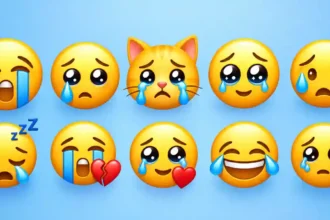
A quick emoji can make an Outlook message feel warmer, funnier, and much less formal.
When an email sounds too serious, adding an Outlook laughing emoji can instantly soften the tone. Whether you are replying to a funny coworker, sharing a joke with a friend, or writing a playful message, the right emoji helps show your real emotion. This guide explains common laughing and closely related emojis, how to use them across messaging platforms, and easy combinations you can copy and paste.
The right laughing emoji can turn an ordinary message into a moment of genuine connection.
What do Outlook laughing emoji mean?
Outlook supports the same Unicode emojis used across many modern apps and operating systems. Their appearance may vary, but their emotional purpose usually stays recognizable.
😂 Face with Tears of Joy is often the safest choice when something is genuinely hilarious. 🤣 Rolling on the Floor Laughing feels stronger and more dramatic, while 😆 can communicate excited or energetic laughter.
Here are 10 closely related emojis that work well for funny, playful, and affectionate conversations:
| Emoji | Core meaning | Misread as | Best used when |
| 😂 | Strong laughter | Fake laughter | Something is genuinely funny |
| 🤣 | Extreme laughter | Overreaction | A joke is extremely funny |
| 😆 | Excited laughter | Nervous smile | You are laughing enthusiastically |
| 😹 | Laughing like a cat | Random cuteness | A funny or silly moment |
| 😅 | Nervous laughter | Simple happiness | You are embarrassed but amused |
| 😄 | Cheerful happiness | Forced positivity | Sharing friendly joy |
| 😁 | Big happy grin | Showing off | You feel excited or pleased |
| 😭 | Overwhelming emotion | Literal sadness | Something is unbelievably funny |
| 🙈 | Playful embarrassment | Avoiding someone | A funny awkward moment |
| 🥹 | Emotional reaction | Sadness | Something is sweet or touching |
😂 Face with Tears of Joy
Meaning: Laughter so strong that tears come naturally.
Example 1: That joke was too good
Example 2: I can’t stop laughing
🤣 Rolling on the Floor Laughing
Meaning: Extremely strong laughter and amusement.
Example 1: Your story had me finished
Example 2: That was absolutely hilarious
😆 Grinning Squinting Face
Meaning: Energetic, excited laughter with a big grin.
Example 1: You really said that
Example 2: I knew you would laugh
😹 Cat With Tears of Joy
Meaning: Playful laughter with a silly, cat-themed feeling.
Example 1: That video is ridiculous
Example 2: You always find the funniest clips
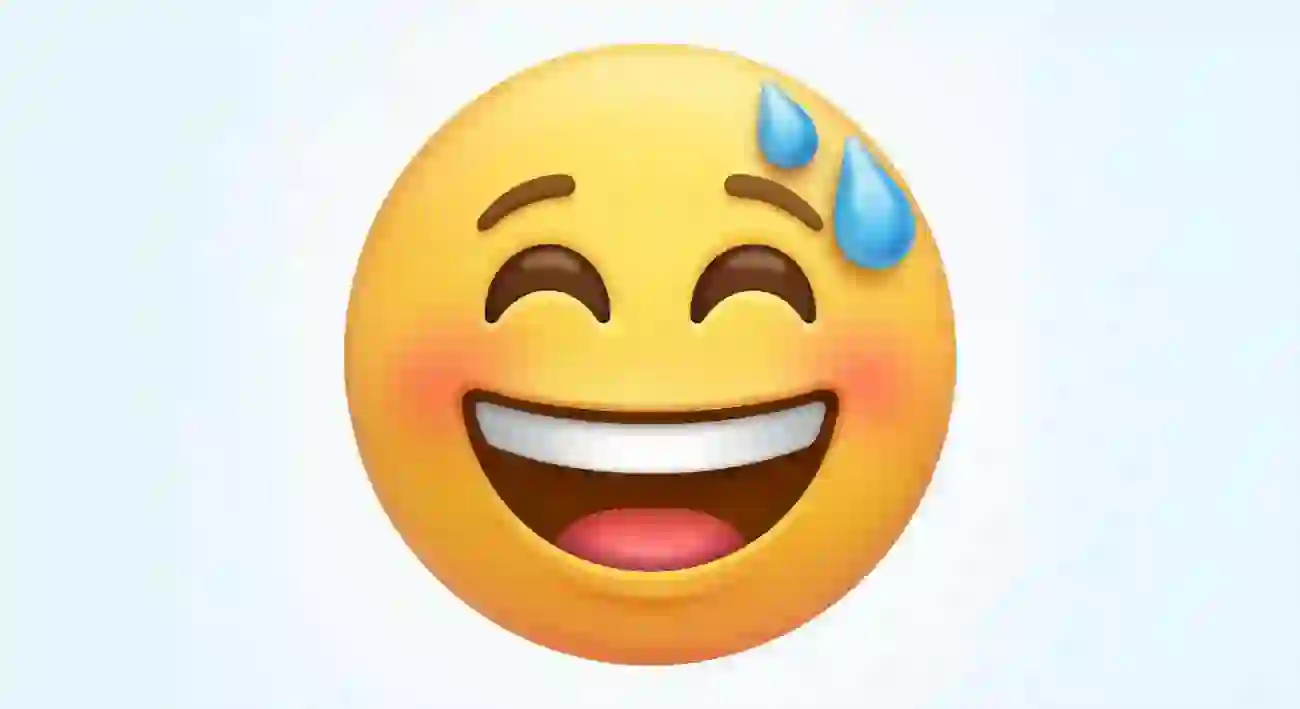
😅 Grinning Face With Sweat
Meaning: Nervous or awkward amusement mixed with laughter.
Example 1: I almost forgot the meeting
Example 2: That could have gone badly
😄 Grinning Face With Smiling Eyes
Meaning: Warm, cheerful happiness and friendly amusement.
Example 1: Glad you enjoyed it
Example 2: That made my day
😁 Beaming Face With Smiling Eyes
Meaning: Bright excitement, happiness, and a broad grin.
Example 1: Guess who finally finished it
Example 2: I’m so happy for you
😭 Loudly Crying Face
Meaning: An intense emotional reaction often used online for overwhelming humor.
Example 1: This is way too funny
Example 2: Why would you send me this
🙈 See-No-Evil Monkey
Meaning: Playful embarrassment or wanting to hide from an awkward moment.
Example 1: Please don’t remind me
Example 2: I cannot believe I did that
🥹 Face Holding Back Tears
Meaning: A deeply touched or overwhelmed emotional reaction.
Example 1: That message was so sweet 🥹
Example 2: You actually remembered 🥹
How to use Outlook laughing emoji the right way
In Outlook, context matters because email can feel more formal than texting. A carefully placed laughing emoji can make a casual message friendlier without making it look unprofessional.
WhatsApp: Use these emojis naturally in personal conversations, jokes, reactions, and playful replies. A short message plus one emoji can feel more expressive than a long explanation.
Instagram: Laughing emojis work well in captions, comments, Stories, and casual replies. Creators can use them to make humorous content feel more conversational.
TikTok: Humor, irony, exaggerated reactions, and comment culture make expressive laughing emojis especially useful. Keep the combination natural instead of filling every sentence with emojis.
Simple dos and don’ts
- Do use one or two emojis when the tone needs warmth.
- Do match the emoji to the actual mood of your message.
- Do consider your relationship with the recipient.
- Don’t overload a professional email with emojis.
- Don’t assume every emoji has exactly the same interpretation.
- Don’t use exaggerated reactions when a simple response is clearer.
Best Outlook laughing emoji combos copy & paste
These combinations use only the same emoji family introduced above.
Romantic
- 😂🥹 — When your partner says something unexpectedly sweet.
- 😄🥹 — For a warm message that makes you smile.
- 😁😂 — For playful laughter between close partners.
Cute
- 😹🙈 — A silly moment you cannot take seriously.
- 😄🥹 — A sweet reaction to a thoughtful message.
- 😆😹 — For sharing something ridiculously cute or funny.
Flirty
- 😁🙈 — A playful response after being teased.
- 😆😂 — When flirting turns into joking around.
- 🥹😁 — A sweet reaction to a charming message.
Missing someone
- 😂🥹 — When remembering a funny moment together.
- 😄🥹 — For a warm message to someone far away.
- 🙈😂 — When an old memory makes you laugh.
Good night
- 😆😂 — End the day with a funny conversation.
- 😄🥹 — A warm, affectionate bedtime reaction.
- 🙈😁 — A playful sign-off after joking around.
Trending Outlook laughing emoji in 2026
Emoji conversations in 2026 continue to favor expressive reactions that communicate tone quickly. In particular, exaggerated laughter and emotional reactions are common in casual chats, comments, and social posts.
😂 remains useful when people want a familiar reaction that clearly signals humor. 🤣 suits bigger reactions, while 😭 is often used online when something feels overwhelmingly funny. 🥹 adds an emotional layer when humor mixes with affection.
| Emoji | Why trending | Who uses it | Platform |
| 😂 | Familiar and instantly recognizable | General users | Outlook, WhatsApp, Instagram |
| 🤣 | Expressive and exaggerated | Casual users, creators | WhatsApp, TikTok, Instagram |
| 😭 | Dramatic online reaction style | Younger users, creators | TikTok, Instagram, WhatsApp |
| 🥹 | Adds emotional warmth | Friends, couples, creators | Instagram, WhatsApp, Outlook |
Across devices, emojis can look different because Apple, Microsoft, Google, and other platforms use their own emoji artwork and rendering systems. The underlying Unicode character is generally the same, but its design, facial expression, colors, and proportions can vary.
That is why an emoji copied from Outlook may look slightly different when someone views it on an iPhone or Android device. These visual differences usually do not mean that the character itself has changed.
As emoji culture evolves, everyday communication generally continues blending humor, emotion, context, and visual expression.
FAQ
1. What is the most popular Outlook laughing emoji?
😂 is one of the most familiar laughing emojis and is widely understood as a strong humorous reaction. It is a practical choice for casual Outlook messages.
2. What does 😂 mean from a girl or boy?
Its basic meaning does not depend on gender. The sender usually uses it to show strong amusement, although personal texting habits can change the tone.
3. Why do emojis look different on iPhone vs Android?
Different companies create their own visual designs for Unicode emojis. The same character can therefore have different artwork across devices.
4. Are Outlook laughing emojis used differently in other countries?
Yes, context and local communication habits can influence emoji interpretation. However, common laughing emojis are broadly understood as reactions to humor.
Conclusion
The best Outlook laughing emoji is the one that matches the mood and relationship behind your message.
For casual emails, a well-placed reaction can make your words feel more natural and friendly.
Keep your choices simple, consider your audience, and let the message remain the focus.
With the right touch, emojis can make everyday digital conversations feel much more human.

TribunePosts.com is a digital publishing platform that shares informative, engaging, and easy-to-understand content. Our goal is to provide readers with useful insights, interesting stories, and valuable information.