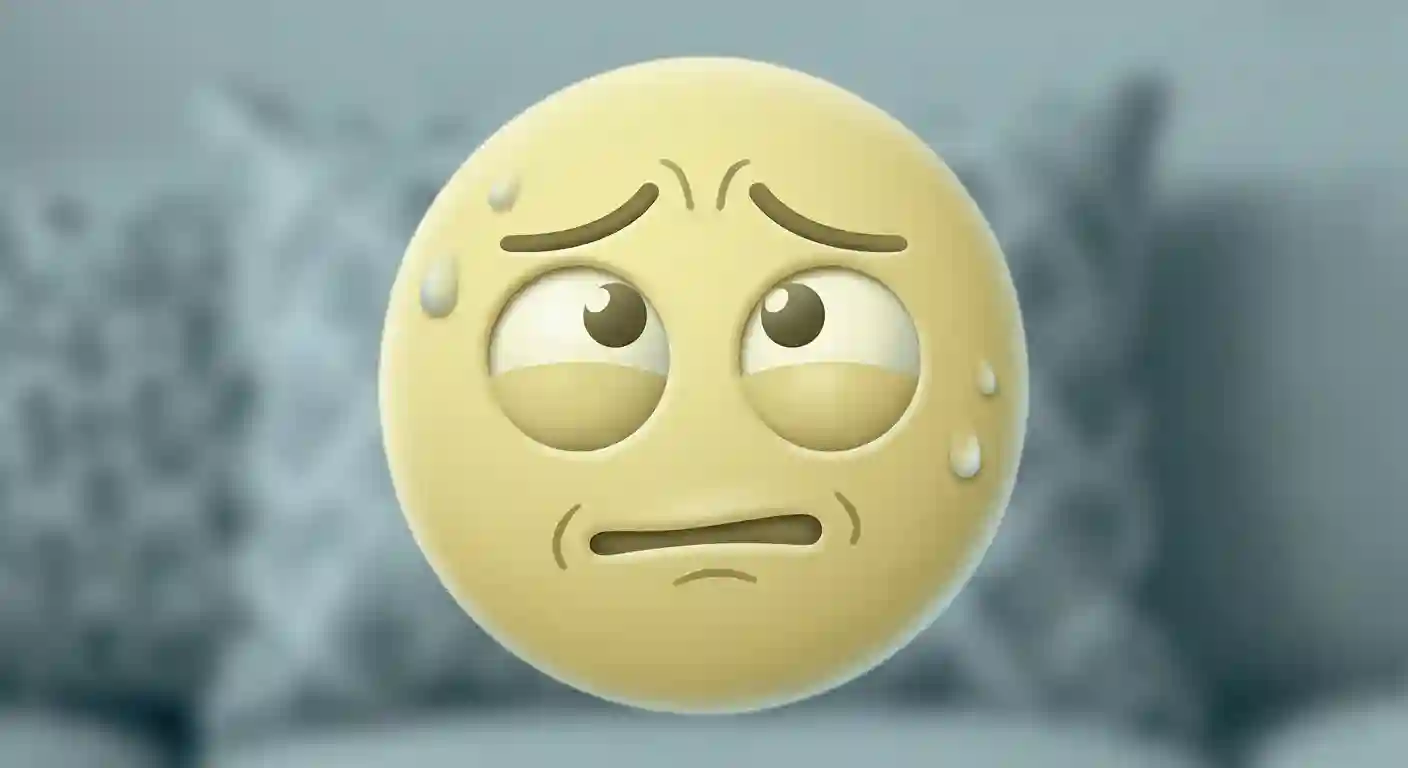
Sometimes one little face can say, “I’m not sure about this” better than a whole paragraph.
The uneasy emoji family helps express nervousness, discomfort, worry, awkwardness, and uncertain feelings in everyday chats. Whether you are texting on WhatsApp, posting on Instagram, or reacting to a TikTok, these faces can add emotional context without many words. Their tone can change with the message around them, so choosing the right one matters. Let’s explore the most useful uneasy emojis and how to use them naturally.
The right uneasy emoji can turn an awkward feeling into a message everyone understands.
What do uneasy emoji mean?
Uneasy emojis are useful when you feel nervous, uncomfortable, worried, confused, or emotionally unsure. The same face can sometimes sound playful or serious depending on the words beside it.
Here are ten closely related faces that commonly fit uneasy conversations:
| Emoji | Core meaning | Misread as | Best used when |
| 😬 | Awkward tension | A forced smile | Something feels uncomfortable |
| 😟 | Worry | Simple sadness | You are concerned |
| 😕 | Confusion | Mild disappointment | You do not understand something |
| 😰 | Anxiety | Physical exhaustion | You feel stressed or nervous |
| 😥 | Disappointment | Relief | Something did not go as hoped |
| 😧 | Distress | Surprise | You feel troubled by something |
| 😨 | Fear | General worry | Something genuinely scares you |
| 😖 | Frustration | Anger | A situation feels difficult |
| 😣 | Struggle | Determination | You are pushing through discomfort |
| 😓 | Stress | Sadness | You feel pressured or overwhelmed |
😬 Grimacing Face
Meaning: Awkward tension, discomfort, or nervousness.
Example 1: That conversation was so awkward
Example 2: I hope this works out
😟 Worried Face
Meaning: Concern, worry, or uneasiness about a situation.
Example 1: I’m worried about tomorrow
Example 2: Are you okay?
😕 Confused Face
Meaning: Uncertainty, confusion, or not knowing what to think.
Example 1: I honestly don’t understand
Example 2: What just happened?
😰 Anxious Face with Sweat
Meaning: Nervous pressure, anxiety, or stress about what may happen.
Example 1: My interview starts soon
Example 2: I’m waiting for the results
😥 Sad but Relieved Face
Meaning: Emotional disappointment mixed with a sense of relief.
Example 1: At least everything is okay now
Example 2: That was harder than I expected
😧 Anguished Face
Meaning: Strong emotional distress, concern, or troubled reaction.
Example 1: I can’t believe that happened
Example 2: This situation is getting serious
😨 Fearful Face
Meaning: Fear, alarm, or a strong reaction to something frightening.
Example 1: That sound scared me
Example 2: I really don’t want to go alone
😖 Confounded Face
Meaning: Frustration, discomfort, or feeling unable to handle something easily.
Example 1: This problem is driving me to exasperate
Example 2: I have tried everything
😣 Persevering Face
Meaning: Struggling with something while trying to keep going.
Example 1: I’m getting through this somehow
Example 2: One more task and I’m done
😓 Downcast Face with Sweat
Meaning: Pressure, stress, embarrassment, or emotional strain.
Example 1: Today has been exhausting
Example 2: I have so much left to finish
How to use uneasy emoji the right way
On WhatsApp, uneasy emojis usually feel personal and emotional. They work well when discussing stressful plans, awkward moments, uncertain news, or difficult conversations with friends and family.
On Instagram, these faces can make captions and comments feel more expressive. They can also support relatable posts where the goal is to show an awkward or uncertain reaction without writing a long explanation.
On TikTok, uneasy emojis often work with humor, irony, reactions, and relatable situations. A short sentence followed by one of these faces can make the tone feel intentionally awkward or funny.
Do: Match the emoji with the emotional tone of your words.
Do: Use one face when you want a simple reaction.
Don’t: Add several uneasy faces when one already makes the point.
Don’t: Assume every face means exactly the same thing to everyone.
Context matters more than the emoji alone. Your words, relationship with the reader, and platform can all influence how your message feels.
Best uneasy emoji combos copy & paste
These copy paste emojis use only the same uneasy-face family introduced above.
Romantic
- 😬😥 — When a romantic moment feels unexpectedly awkward
- 😟😥 — When you miss someone and feel emotionally uncertain
- 😰😥 — When waiting for a romantic reply feels stressful
Cute
- 😕😬 — A cute reaction to something confusing
- 😥😣 — When you are trying to stay positive during a difficult moment
- 😓😬 — A shy, awkward reaction to a sweet situation
Flirty
- 😬😰 — When you are nervous about sending a flirty message
- 😕😬 — When pretending not to understand a playful hint
- 😰😥 — When you feel nervous after making the first move
Missing Someone
- 😟😥 — When someone is on your mind
- 😰😟 — When you are worried about someone far away
- 😥😓 — When missing someone makes the day feel harder
Good Night
- 😥😬 — When saying good night after an awkward conversation
- 😟😓 — When ending a stressful day
- 😣😥 — When you are tired but still thinking about tomorrow
Trending uneasy emoji in 2026
In trending emojis 2026, uneasy-face expressions fit naturally into reaction-heavy conversations. They are especially useful when people want to show a feeling quickly without writing a detailed explanation.
😬 is popular for awkward reactions because it can fit uncomfortable, funny, or uncertain moments. Content creators may also use it when a situation becomes unexpectedly awkward.
😰 often appears in posts and short-form videos involving pressure, anticipation, or nervous reactions. Its strong visual expression makes it easy to understand at a glance.
😕 works well for confusion-based reactions, especially when a creator or commenter wants to show uncertainty in a simple way.
😓 can suit relatable posts about busy days, pressure, and everyday struggles, giving a message a more emotional reaction.
| Emoji | Why trending | Who uses it | Platform |
| 😬 | Strong awkward reaction | Chatters and creators | TikTok, WhatsApp |
| 😰 | Fits nervous reactions | Younger users and creators | TikTok, Instagram |
| 😕 | Quick confusion signal | General social users | WhatsApp, Instagram |
| 😓 | Relatable stress reaction | Everyday content creators | Instagram, TikTok |
As digital conversations evolve, emoji use generally keeps shifting with humor, context, and online communication styles.
FAQ
1. What is the most popular uneasy emoji?
😬 is one of the clearest choices for an uneasy or awkward reaction. It works especially well when words alone do not fully show discomfort.
2. What does 😬 mean from a girl or boy?
Its meaning does not depend on gender. 😬 can show awkwardness, nervousness, discomfort, or an uncertain reaction based on the conversation.
3. Why do emojis look different on iPhone vs Android?
Apple, Google, Samsung, and other platforms design their own emoji artwork. The underlying Unicode character stays the same, but its visual style can differ.
4. Are uneasy emoji used differently in other countries?
Yes, context and online culture can influence how people interpret emojis. However, the surrounding words usually provide the clearest clue.
Conclusion
Uneasy emojis make it easier to express nervous, awkward, and uncertain feelings.
They add emotion to everyday chats without needing long explanations.
Choose the face that fits your situation and keep your message natural.
With the right context, even a simple emoji can say a lot.

TribunePosts.com is a digital publishing platform that shares informative, engaging, and easy-to-understand content. Our goal is to provide readers with useful insights, interesting stories, and valuable information.